
A Flag’s Weight
We pushed the lead to seventeen midway through the second half. But the savvy and experienced Australians refused to go away. On defense, they bluffed us into taking shots we didn’t love and usually didn’t take. On offense, they probed until they could isolate the match-up that they liked, then they put us one by one on skates. They scored. We fouled. We missed. They rebounded. With seasoned play that fueled conviction, they built inside our red, white and blue jerseys a tower of existential dread.
When USA is emblazoned across your chest, the expectation is “we win.” It doesn’t matter if your roster was just decided ten days before you flew across the world while most of your competition has been playing together for years. No one cares if the average age of your team is nineteen while most opponents are twenty-five. It’s immaterial. So what if you’re jet lagged and it’s only dark at night from twelve to four and the beds are hard and the rooms are hot? Nobody wants to hear it. Your job when you wear the gear is to win.
Our crystal-clear objective was teetering on the brink.
As the clock wound down on the court in Kazan, Russia, the site of the 2013 World University Games, the seasoned team from Australia stole our lead. Their siege was an orchestrated crescendo that culminated on a neon scoreboard glowing:
00:59
Australia 87 USA 86.
I stood to call time-out, my tongue dry and fat.
As the team huddled in front of the bench, our coaching staff gathered a short distance away to quickly discuss our options. Nose to nose in a three-person circle, we shouted above the anti-American din. (Few want the one who’s supposed to be the winner to win.) Clearly, we decided, the best thing to do was put the ball in the hands of our fiercest athlete and let her make a play. I burst into our team’s cocoon, “CRYSTAL! GO GET THE BALL!” Then, with all the bravado I could muster, “GET OUT OF THE WAY!” I stressed to the other four, “and let her do her deal!”
Seconds later, amid airhorns and banging drums, we cleanly inbounded the ball to the pride of Central Michigan. Dribbling hard and racing wildly, Crystal made a beeline toward the left side of the hoop weaving through Aussie defenders as if they were cones on an otherwise empty court. When she neared the rim, she rose, seemingly in slow motion, forging an extra dramatic second before gently kissing the ball off the glass for two.
Our little American posse lost its mind. We had one more point than they did. We were bound for the gold-medal game.
That frenzied rise and fall is why we play. It’s why people cannot help but watch.
It’s also why both athletes and coaches sometimes don’t know what to do once the games are done. So much of the soul is expended in pursuit, it’s hard to be familiar with what’s left when you arrive.
Two days after our flourishing finish, now accustomed to the airhorns, the reverberating drums and our least-favorite status, we took care of business beating Russia for the gold on Russian soil.
I was so happy for our kids. They had sacrificed to do a thing only .00000000001% of a given country’s population ever gets a chance to do. And they had done it while representing the United States of America beautifully. There were flowers and photos and gold medallions on lanyards around everybody’s necks. We had executed the mission. We could fly back home with dignity for doing what we came to do.
As our athletes squealed and hugged their way across the court and down the walkway to our locker room following the crowning anthem, I peeled off behind the bleachers to get my bearings. There, alone in a sea of half-eaten popcorn, candy wrappers and empty Coca-Cola cups, I leaned my forehead against the concrete wall and sobbed. For the first time in my life the win didn’t feel like a win. It felt, instead, like sweet relief.
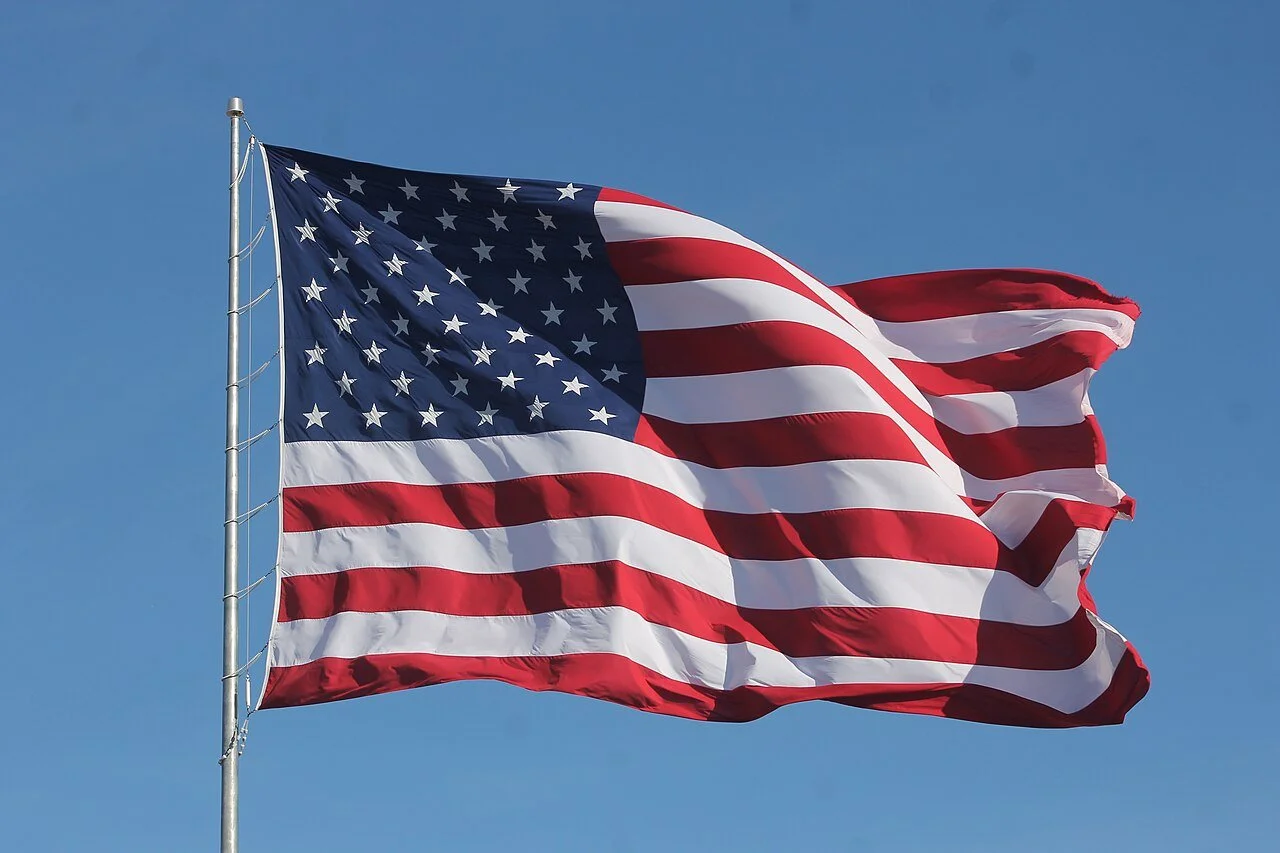

That flag is so damn heavy.
Every four years--especially in the winter-- I become enamored by sports I do not understand, cannot keep score of, and will not think about again for at least a thousand days. I try to learn the rules. I try to follow the puck. I try to appreciate the angle of a luger’s lie, the pop and spin of a curler’s stone. But more than anything, I watch the endings. I watch the downhill skier, unable to control his own amped-upness, as he strips to bare skin after a run and rolls around in the snow. I watch the speed skater sprint to grab her toddler to take a victory lap. I watch coaches cringe and spouses cry and rabid competitors embrace with an intimacy reserved for only those who are willing to go beyond the point of diminishing return.
No one else could possibly know what it feels like. Three years and forty-eight weeks of waiting. That’s what these spectacular humans endure for a chance at the unknown. They lug the weight because they need the ending. The world may need it even more.
P.S. Miracle