
Trooper Hoopers
Back in the day, when the rule book was fat and the list of “shall nots” for college programs was long, we were allowed to give our scout team fellas nothing. Cool University of Oklahoma swag? No way. Gear for daily practice, perhaps shorts with an interlocking OU and a pair of Nike shoes? Nope. “Extra benefit,” the University’s compliance officer would chide with an I-mean-business face.
“That doesn’t even make sense,” we would argue. “What’s the original benefit the extra would be on top of?”
These volunteer practice players didn’t get their school paid for. We couldn’t compensate them for their efforts with money, a movie or a meal. Yet, they trekked across campus to the Lloyd Noble Center Arena when we asked them to (which was often before the dawning sun, in between morning and evening classes, and on weekends while marquee sports’ matchups were on TV) without so much as a grumble. They had to apply to the NCAA Clearinghouse, they had to be full-time OU students who were required to retain eligibility—including showing proof of progress toward a declared major by the end of their sophomore year. They were even, on occasion, asked by the illegal-substance police to randomly pee in a cup.
Their “reward?” All the Gatorade their bodies could consume. And our eternal gratitude, of course.
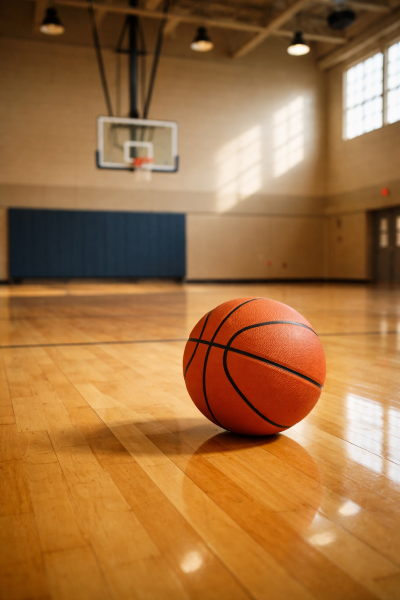
Our scout guys were often bigger, sometimes faster, and from time to time in specific facets, more skilled. Practicing against them was progressive overload. We got quicker. We grew tougher. Our dribbling and our passing improved. (As did our ability to problem solve and be courageous—these former high school ballers were usually quite creative on the court and almost always wild!)
In addition, their participation in practice allowed us to maximize reps, which saved our legs. Their ability to run opponents’ offenses and mimic personnel freed up our players’ headspace so that we could focus on our own jobs, instead of those of upcoming foes. Battles between our scout team and our “team-team” raged. We wore them out. They broke us down. We blocked them out. They jumped over our backs. We fouled them egregiously and they (mostly) never whined or retaliated. (Except that one time….)
Then, when we won a game we weren’t supposed to, they were who we-- like Jim Valvano on the court at The Pit in 1983-- ran around trying to find.
Trooper Hoopers. Guys who made us better by being good at who they were.
And who were they exactly? Mostly serious students. Mostly college kids who loved the smell and sounds of a gym. Guys who grinned while lacing up their shoes . . .guys who paid attention even when you weren’t talking to them . . . guys who formed fast tribes and made up names for themselves while devising secret signals on the fly. Our scout squad was full of guys who competed without ever letting competition get in the way. Like savants, they approached whatever they were doing while they were doing it as if it mattered more than anything else in the world—and then when they weren’t doing it, as if they’d forgotten it ever mattered much at all.
They had a code. Nobody wrote it down, but they all passed it around. They respected themselves, one another, the coaches, our players, the game. They were finders and adders of value. And they didn’t do “their thing” for what they’d get when they were done. They did it because that’s what we needed them to do.
The fellas—some who excelled at defending the post, some who could break us down off the dribble, some who could scorch the nets from deep, some we could never blow by— are now bastions of their families, their respective professions, the communities in which they live. Some are public servants, some are coaches, some are doctors. Some have planted churches. Others have built million-dollar brands. Almost all in some way or another are making a dent in the world.
Of course they are. These are how-you-do-anything-is-how-you-do-everything kind of guys.