
Invisible Work
My friend, who is an extraordinary athlete, has recently fallen in love with golf. A grinder by nature, he lives to go the range and bang balls. He’ll spend hours on the practice green competing with himself as he rolls putts. If he finds two free hours in his schedule, he’ll grab his bag and head to the course for a solo eighteen holes. But he really wants to get better.
So a few weeks ago, he took a lesson. And immediately he got worse.
He said his swing got glitchy, stiff and robotic. His hips disconnected from the rest of his torso, his shoulders lost touch with his hands. His right knee even got to thinking about when and how it should bend. He left the lesson early.
“I gotta go,” he told his instructor. And then he bolted. He threw his clubs in the bag and the bag in the truck and the truck into gear and he floored it. As fast and as far away as he could, he ran frantically looking for the old stroke that felt so familiar. He groped in the dark for the form he recognized.
“It messed me up,” he said, shaking his head while slow-motion repping the swing he used to have. “The teacher is good,” he added, “He played college golf and was on the Korn Ferry Tour for a while.” Then he bit his lip and looked off in the distance, “It all just got in my head and I literally could not swing.”
I reminded him, “Sometimes you have to get worse for a while before you can get better,” as a coach who’s been there and done that but still has trouble remembering it herself. I pantomimed my tennis swing.
Regression stinks. It doesn’t matter if you’re a pro or a novice, if you’re playing sports or making music or learning how to ride a bigger bike. Going backward is right up there with going to the dentist and doing fifty push-ups every day. You know it’s part of the process, but it’s never any fun.
My friend fessed up a few days after his initial revolt, “I was way too hard on the lesson. It helped me,” he said looking at a spot on the ground as if embarrassed by his in-the-moment-reaction. “It really did.”
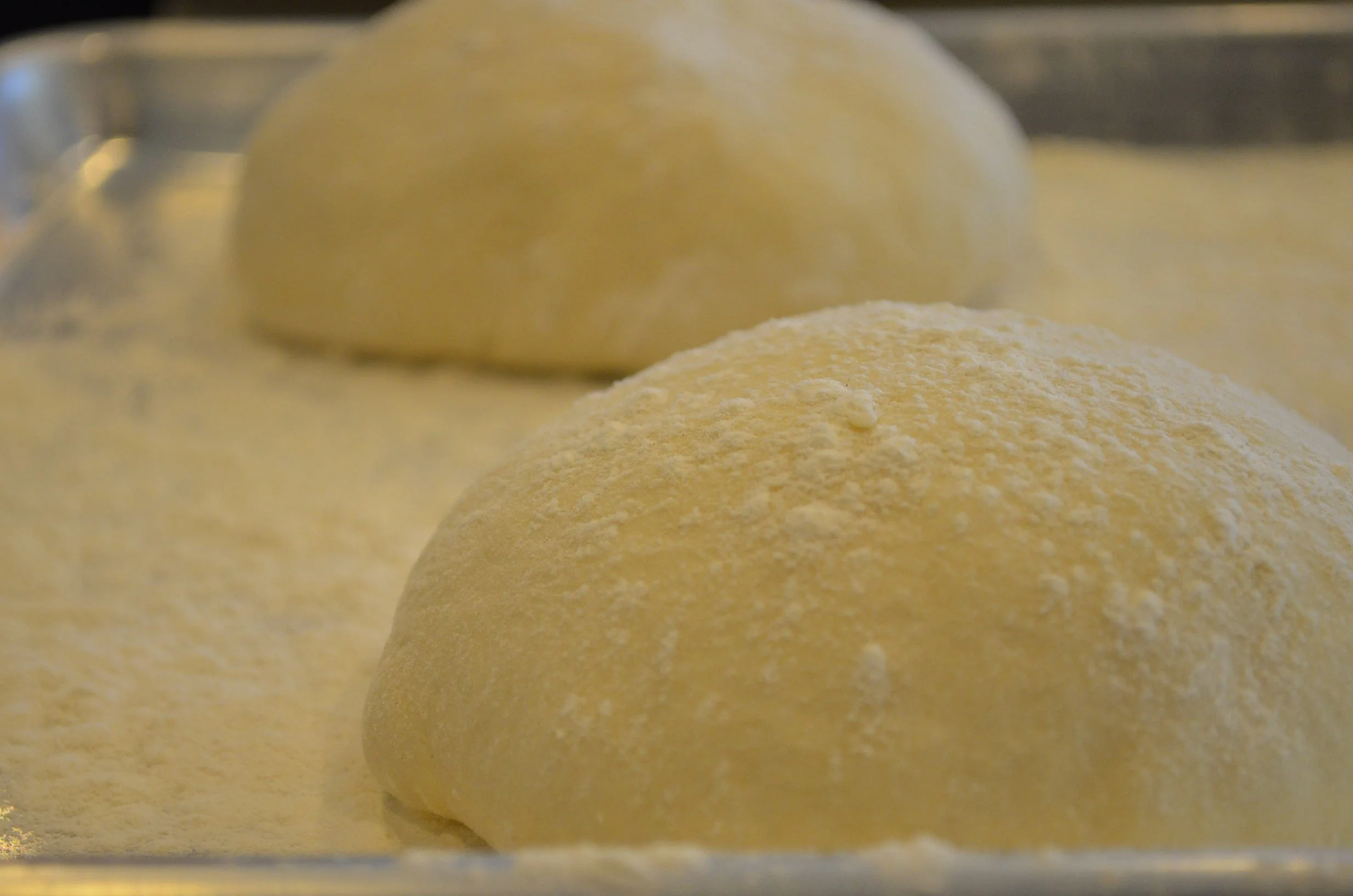
The dough needed time to rise.
Getting good at just about anything is a combination of work and rest. Tension followed by space. Intensity followed by stillness. Room and time are as integral to a recipe as precisely measured ingredients and expert stirring and shaping are. Most masterpieces are messes long before they’re ever works of art. Supermodels may have been beautiful babies, but they also went through middle school.
Still, it’s hard to ask for, then endure, the ugly stage. Especially while you’re just waiting for the changes to sink in.
Invisible work is brutal.
Awkward.
Weird.
And necessary.
Transformation often happens when we leave a thing alone.
P.S. Seeing the Field